
How Ribbon Color and Design Communicate Emotion
Why Color Communicates Emotion
Color speaks before words do. The moment someone unwraps a gift or receives a bouquet, their brain registers hue within milliseconds triggering memories, associations, and feelings that shape the entire experience. This makes flower color meaning one of the most powerful and most overlooked tools in thoughtful gift giving.
Ribbon flowers take this a step further. Unlike fresh flowers that fade within the week, ribbon bouquets hold their color forever. The emotional intention you build into a ribbon color meaning stays vivid every single day it’s displayed. That permanence transforms a beautiful gesture into a lasting message.
In this guide, you’ll learn how to use color psychology, design principles, and bouquet color symbolism to craft arrangements that communicate exactly what you feel. Whether that’s romantic love, deep gratitude, joy, or remembrance.
The Psychology of Color in Floral Design
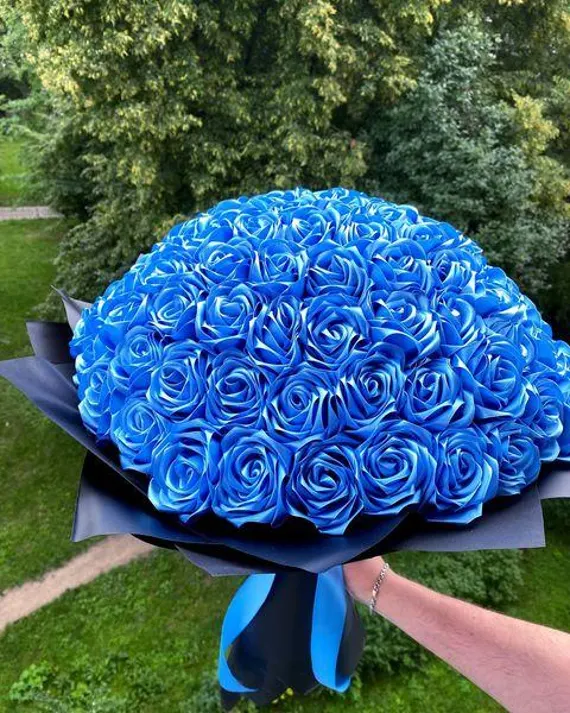
Color psychology shapes how we feel long before we think. Studies show the brain processes color in under 90 seconds and that first impression can account for up to 90% of our initial judgment about what we’re seeing. In gift giving, this means your color choice often lands harder than your words.
- Warm colors: reds, oranges, and yellows — energize and excite.
- Cool colors: blues, greens, and purples — calm and ground.
- Neutrals: white, ivory and cream signal purity and sincerity.
These associations run deep across cultures, though context shifts meaning: white signals purity in Western weddings but mourning in some Eastern traditions. Choosing with awareness of the person receiving the bouquets background ensures your color lands the way you intend.
Shade matters just as much as hue. A bright fuchsia pink feels playful and youthful; a dusty mauve pink feels romantic and refined. Navy reads as authoritative and formal; sky blue reads as open and hopeful. These nuances give you precise control over the emotional message in your bouquet design.
Why Ribbon Flowers Make Color Matter More
With fresh flowers, color is temporary. Reds fade to blush. Bright yellows wash out. The emotional message you carefully chose loses its intensity within days. Ribbon flowers preserve color indefinitely, which means the sentiment you embed in your arrangement stays as vivid in year three as it was on day one.
Fresh floristry also limits your palette to what’s blooming that season. Ribbon opens up every shade imaginable. Want a specific dusty teal that matches your friend’s favorite color? Done. A custom deep forest green dahlia or a purple plumeria with a gold center? No problem! This freedom turns ribbon color meaning from an approximate art into a precise emotional language.
That precision matters even more because ribbon bouquets become personalized gifts, keepsakes people display in their homes or offices for years. Every time the person sees that bouquet, they feel the emotion you put into it. Choosing colors thoughtfully isn’t just good gift giving; it’s creating a lasting piece of emotional meaning.
Discover why ribbon flowers create meaning that lasts →
Common Ribbon Colors & Their Emotional Meanings
Understanding flower color meaning gives you the vocabulary to express exactly what you feel. Here’s how each major ribbon color communicates emotion and which occasions call for each one.
Red: Passion, Love, and Courage
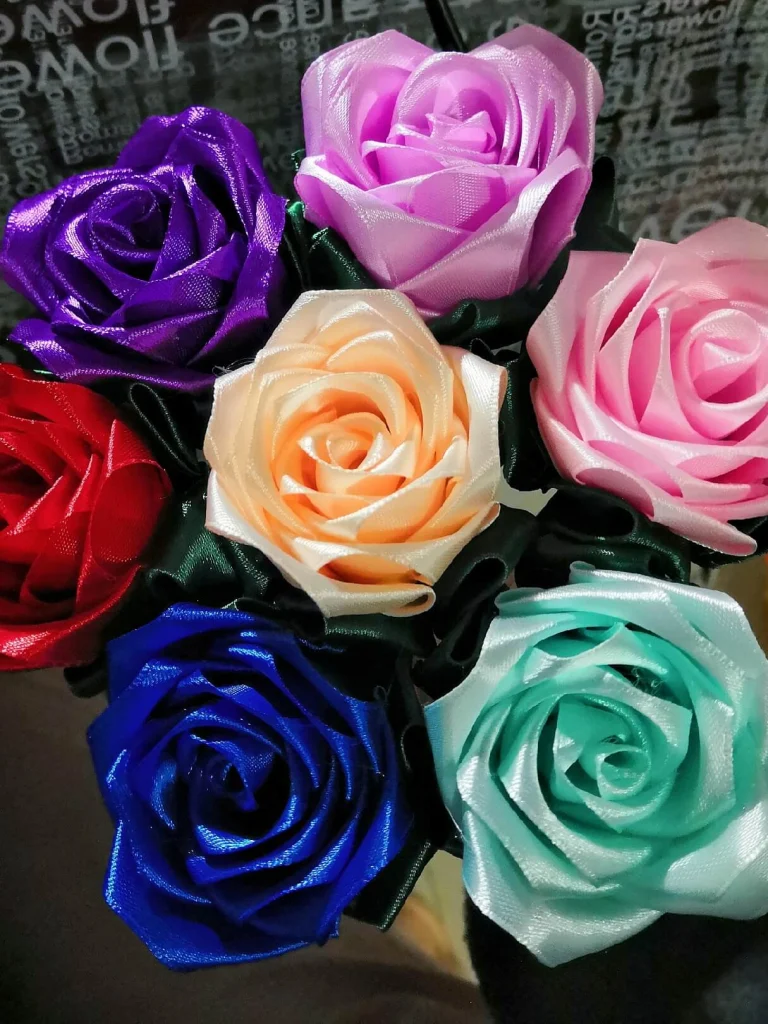
Red commands attention like no other color. Deep crimson communicates romantic devotion, it’s the natural choice for anniversaries and Valentine’s Day. Bright cherry red shifts the emotion toward energy and achievement, making it perfect for congratulations and milestone celebrations. Burgundy and wine reds add a layer of sophistication, working well in formal contexts or professional gifts that still carry warmth
Pink: Affection, Gratitude, and Grace
Pink communicates love without red’s intensity, making it one of the most versatile ribbon color meanings you can choose. Pastel pinks feel tender and sweet, ideal for baby showers and gentle ‘thank yous’. Medium pinks radiate cheerfulness and warmth for birthdays and friendship gifts. Hot pinks and magentas express bold, confident admiration, perfect for honoring someone’s strength and achievements.
White: Purity, New Beginnings, and Remembrance
White carries a quiet sincerity that speaks louder than most colors. In Western traditions, white anchors weddings and fresh starts. It also serves as the most universally appropriate choice for sympathy, dignified, respectful, and enduring. Because ribbon bouquets last indefinitely, a white memorial arrangement becomes a permanent, beautiful tribute that honors someone’s memory without fading.
Yellow: Joy, Friendship, and Optimism
Yellow brightens any room and any mood. Its biggest strength is versatility across relationship types. It expresses affection and care without romantic undertones, making it safe and celebratory for colleagues, acquaintances, and friends. Sunny yellows energize get-well bouquets and congratulations arrangements. Softer butter yellows offer warm, gentle support during challenging times. In the language of flower color meaning, yellow says: “I’m rooting for you.”
Purple: Royalty, Creativity, and Dignity
Purple has long signified something beyond the ordinary. Deep royal purples communicate elegance, respect, and admiration, ideal for honoring professional achievements or milestone celebrations. Lavender and lilac shift toward spiritual peace and gentle comfort, making them beautiful choices for sympathy arrangements. Purple also signals creativity and imagination, making it perfect for gifting to artists, writers, or anyone you admire for their originality.
Blue: Trust, Loyalty, and Calm
Blue rarely appears in nature’s flowers, which makes blue ribbon arrangements uniquely striking. Light blues create a peaceful, hopeful feeling excellent for welcoming new beginnings or offering gentle comfort. Deep navy and sapphire blues communicate wisdom, confidence, and lasting loyalty. Blue also carries a powerful association with honesty and trust, making it a meaningful choice when you want to communicate: “I’m here, and I mean it.”
How Design Elements Enhance Color Meaning
Color creates the foundation of your emotional message. Design elements build on it, adding depth, nuance, and personality. Three elements do most of the work: texture, layering, and shape.
Texture: Changing How Color Feels
The same color reads differently in different textures. Satin ribbon in deep red feels sensual and romantic the glossy surface catches light like flowing liquid. That same red in grosgrain ribbon takes on structure and formality. Sheer organza ribbons create an ethereal, dreamlike quality that softens any color. Velvet adds luxury and gravity. When you match texture to the emotional tone of your color, the result feels cohesive and intentional a custom bouquet that clearly communicates one unified message.
Layering: Building Emotional Complexity
Layering colors within a single bouquet lets you tell a more nuanced story.
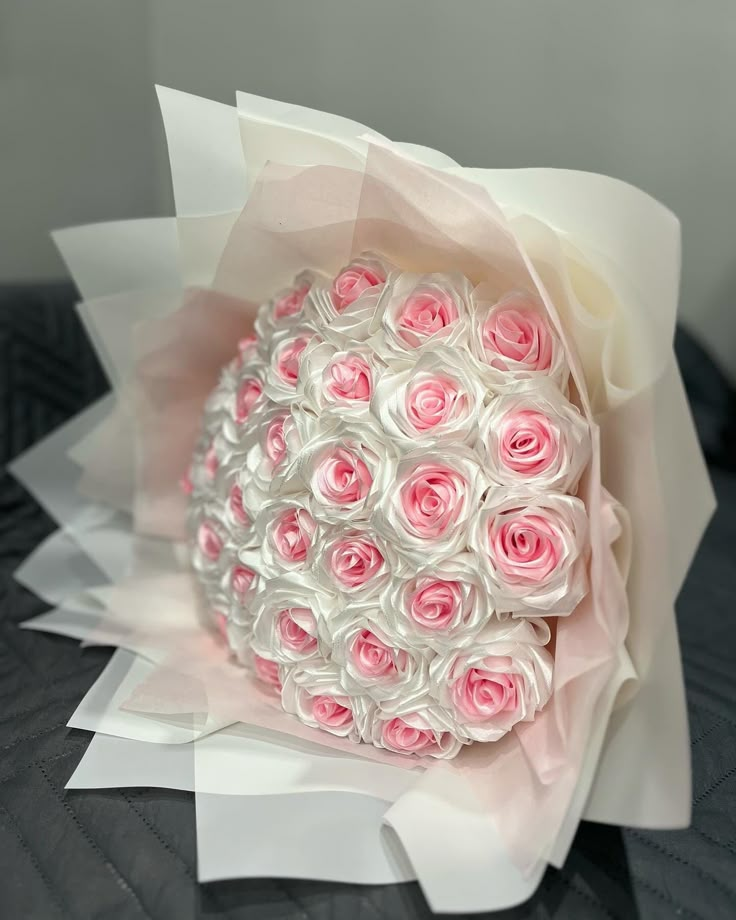
- Monochromatic layering : multiple shades of one color intensifies a single emotion, communicating depth and sincerity.
- Complementary colors: (opposites on the color wheel, like purple and yellow) create vibrant contrast and festive energy, ideal for celebrations.
- Analogous palettes: (colors next to each other, like pink and coral) produce harmony and comfort, perfect for sympathy and support bouquets.
Shape & Movement: Directing Emotional Energy
The shape of an arrangement carries its own emotional weight. Tightly structured, symmetrical designs communicate formality and dignified respect. Loose, organic arrangements with varied heights feel warm and personal. Cascading designs suggest flowing romance and enduring commitment. Upward-reaching designs radiate aspiration and forward momentum perfect for congratulations. Circular arrangements, with their sense of completeness, work beautifully for memorial tributes and lasting remembrance.
Choosing the Right Ribbon Bouquet for the Occasion
Matching your bouquet color symbolism to the occasion ensures your gift lands with clarity and intention.
Here’s a quick guide:
- Weddings & Anniversaries — Classic white anchors bridal arrangements. For anniversaries, lean into romantic reds and pinks; deeper wines and burgundies suit long-standing commitments beautifully.
- Birthdays — Match the recipient’s personality. Extroverts love bright, warm palettes. Quieter personalities appreciate elegant purples and sophisticated blues. Add metallic accents for milestone years — gold for 50th birthdays, silver for 25th.
- Sympathy & Remembrance — White remains the most universally appropriate choice. Soft lavender communicates spiritual peace. Light blue offers calm and gentle comfort. Consider adding the recipient’s favorite color as a subtle accent to personalize the tribute.
- Get Well — Reach for bright yellows and warm oranges to lift spirits and signal hope. Avoid stark white, which some associate with clinical or somber settings.
- Gratitude & Thank You — Pink expresses gracious thanks across all relationship types. Coral and peach add warmth and enthusiasm. For professional appreciation, elegant blues or purples maintain appropriate boundaries while conveying genuine recognition.
- Friendship — Yellow leads the way, but cheerful oranges, bright pinks, and warm corals all express affectionate platonic care beautifully. Layer multiple bright colors for a joyful, celebratory feel.
Explore ways to add personal touches to your bouquet →
Personalization: Turning Emotion into a Keepsake
The most meaningful ribbon bouquets go beyond general flower color meaning into something deeply personal. You can use colors that carry shared significance the hue of the dress she wore on your first date, the team colors from a milestone game, the shades in the painting he has always loved. These private references transform a beautiful object into a story only the two of you fully understand.
For weddings, a ribbon bouquet can preserve the entire color palette of the wedding day as a permanent keepsake, something a fresh bouquet can never do. For memorials, ribbon flowers in a loved one’s favorite colors create a lasting tribute that maintains its beauty and emotional power indefinitely.
Consider including a small card that explains your color choices. That documentation deepens the recipient’s appreciation and gives them a way to share the story behind the bouquet with others who admire it. It turns your thoughtfulness into something they can pass along and that’s the hallmark of a truly personalized gift.
Color communicates what words can’t always capture. When you choose a ribbon bouquet with intention selecting hues that match the emotion you want to express, you create a gift that keeps saying what you mean, long after the moment has passed. Start building yours today.